
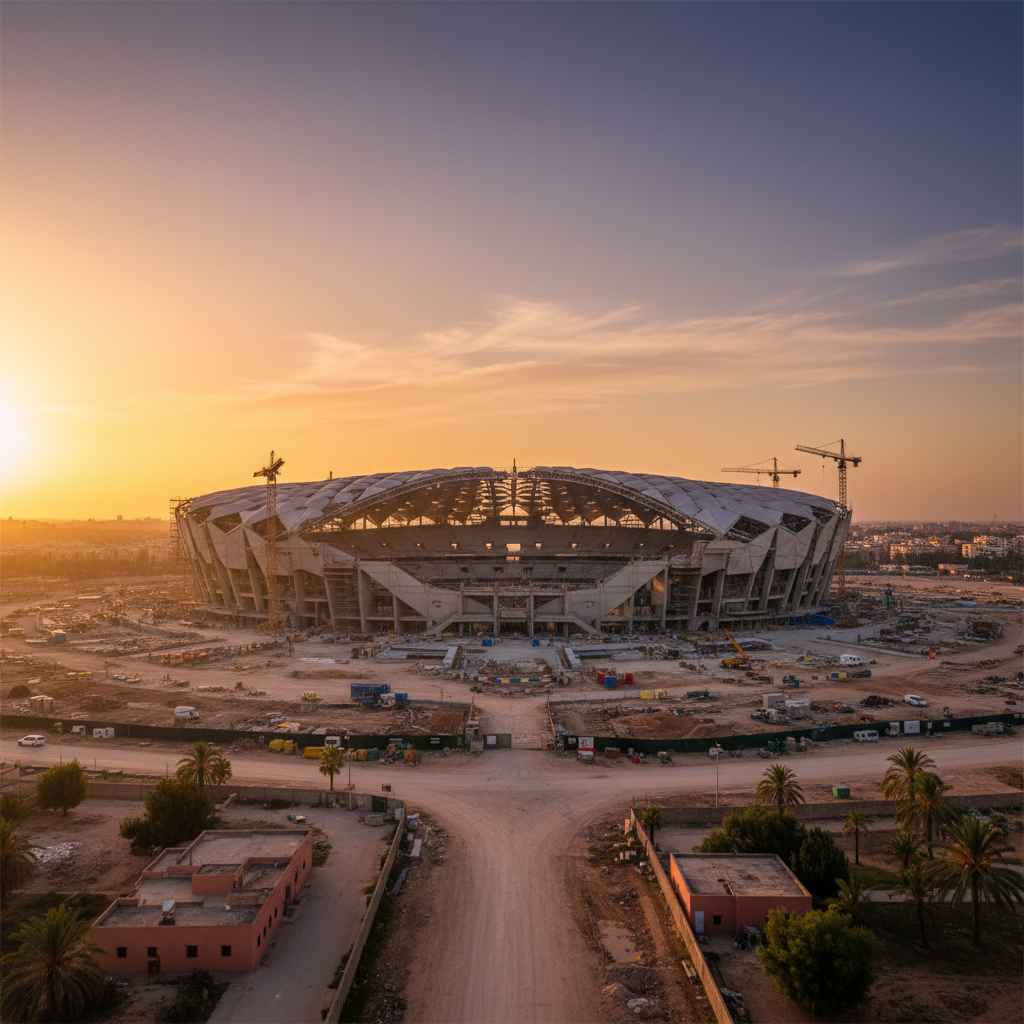
The Vision for the Grand Stade de Casablanca
According to reports from Reuters and official announcements from the Moroccan government, Morocco is moving forward with the ambitious construction of the Grand Stade de Casablanca. This massive infrastructure project is located in Benslimane, approximately 38 kilometers from the center of Casablanca. The primary objective is to have the facility fully operational by the end of 2027 or early 2028. This timeline is strategically aligned with the joint bid to host the 2030 World Cup alongside Spain and Portugal.
The project is not merely a local sports venue but a centerpiece of Morocco's national development strategy. As travelers look toward the future, understanding the scale of this project is essential for those planning to visit Casablanca during the tournament decade. The stadium is designed to accommodate 115,000 spectators, which would make it the largest football stadium in Africa and one of the most significant sporting structures globally. The Grand Stade de Casablanca 2030 World Cup project is a testament to the nation's rapid modernization and its desire to showcase its hospitality on the global stage.
Architectural Design and Capacity
The architectural vision for the Grand Stade de Casablanca is the result of an international competition won by the firm Populous in collaboration with Oualalou + Choi. The design is inspired by the traditional Moroccan social gathering known as a "Moussem," featuring a grand tent-like structure that integrates seamlessly into the forested landscape of Benslimane. This aesthetic choice reflects Morocco's cultural heritage while utilizing modern engineering to support a massive capacity. The roof structure, designed to resemble a white tent, will provide shade and ventilation, ensuring comfort for the 115,000 fans expected to fill the stands.
For fans researching stadiums for the 2030 event, the Grand Stade de Casablanca represents a significant leap in capacity compared to existing venues. The 115,000-seat target is specifically intended to position Morocco as a leading candidate to host the tournament's final match. However, it is important to note that FIFA has not yet made a final decision regarding the venue for the final. Morocco faces competition from established venues in Spain, such as the Santiago Bernabéu in Madrid and the Camp Nou in Barcelona. The sheer scale of the Benslimane site allows for a level of expansion and modern amenities that older, urban-locked stadiums may struggle to match.
Strategic Importance for the 2030 World Cup Final Bid
Moroccan officials have been clear about their intentions: they aim to host the 2030 World Cup final at the Grand Stade de Casablanca. The investment, estimated at approximately 5 billion Moroccan dirhams, underscores the country's commitment to delivering a world-class experience. By completing the stadium by 2027, Morocco intends to demonstrate its readiness well in advance of the FIFA inspection cycles. This early completion date provides a buffer for testing events, including potential continental tournaments or high-profile international friendlies.
While the bid is a joint effort between Morocco, Spain, and Portugal, the allocation of specific matches remains subject to FIFA's official selection process. Travelers and football enthusiasts should maintain a cautious outlook and wait for official FIFA announcements before making specific travel arrangements or match-day plans. For now, the focus remains on the massive infrastructure upgrades across the country, including improvements to Morocco transport networks and hotel capacity. The bid is unique as it spans two continents, and the Grand Stade de Casablanca 2030 World Cup venue is seen as the bridge connecting African football passion with European organizational standards.
Logistics and Traveler Considerations
The location of the stadium in Benslimane means that transportation will be a critical factor for visitors. The site is positioned between the economic hub of Casablanca and the administrative capital of Rabat. This placement allows for access from multiple directions, potentially utilizing the high-speed rail network known as Al Boraq. The government has already hinted at expanding rail links to ensure that fans can move efficiently between the stadium and the major urban centers.
Visitors arriving at Mohammed V International Airport will likely find various transit options to reach the stadium area, though official transport plans for the 2030 event are still in the developmental stages. When considering where to stay, fans may choose between the vibrant urban atmosphere of Casablanca or the more coastal regions nearby. Additionally, those looking to explore more of the country might plan trips to Marrakech or Tanger, both of which are expected to host matches and offer distinct cultural experiences. The proximity of the stadium to the highway network also makes it accessible for those opting for car rentals or private shuttles.
Economic and Regional Impact
The construction of the Grand Stade de Casablanca is expected to stimulate significant economic growth in the Benslimane region. Beyond the stadium itself, the project involves the development of surrounding infrastructure, including roads, parking facilities, and public spaces. This development is part of a broader trend of modernization in Morocco as it prepares to welcome the world in 2030. Local businesses, from hospitality to retail, are expected to benefit from the influx of workers during the construction phase and the millions of fans expected during the tournament.
Furthermore, the project is expected to create thousands of jobs, both directly in construction and indirectly in the service sector. The long-term vision includes the creation of a sports city around the stadium, which could host training academies, medical centers specializing in sports medicine, and commercial zones. This ensures that the investment remains viable long after the final whistle of the 2030 World Cup. For those interested in the broader scope of Moroccan development, following projects of this magnitude provides insight into the country's trajectory as a regional leader in infrastructure.
Cultural Integration and Fan Experience
A major component of the Grand Stade de Casablanca 2030 World Cup experience will be the integration of Moroccan culture into the fan zones and stadium atmosphere. Morocco is famous for its hospitality and culinary traditions. Visitors can look forward to exploring food in Morocco, ranging from street-side tajines to high-end Moroccan gastronomy in Casablanca's upscale districts. The stadium's design itself, being a nod to the Moussem, suggests that the area will be more than just a place for sports; it will be a place for cultural exchange.
The fan experience is being designed with the modern traveler in mind. High-speed internet connectivity, digital ticketing systems, and sustainable waste management are all part of the technical requirements being integrated into the stadium's blueprint. The goal is to create a seamless journey from the moment a fan lands in Morocco to the moment they take their seat in the 115,000-capacity arena.
Sustainability and Environmental Goals
In line with modern FIFA requirements and global environmental standards, the Grand Stade de Casablanca is being built with sustainability at its core. The use of local materials, solar energy integration, and water recycling systems are expected to be part of the construction process. Given the stadium's location near a forested area, environmental impact assessments are crucial to ensure that the local ecosystem is preserved and enhanced. The project aims to achieve high-level green building certifications, setting a precedent for future stadiums in the region.
Morocco's commitment to renewable energy is well-known, and the Grand Stade de Casablanca 2030 World Cup project serves as a flagship for how large-scale sporting infrastructure can align with national green goals. This focus on sustainability is not only a requirement for the bid but also a reflection of Morocco's long-term environmental strategy.
Comparing Casablanca to Other Host Cities
While Casablanca will be the focal point for many, the 2030 World Cup will be a nationwide celebration. Cities like Tanger with its proximity to Europe, Rabat with its historical landmarks, and Marrakech with its world-famous souks will all play vital roles. However, the Grand Stade de Casablanca remains the "crown jewel" due to its unprecedented size. While other cities will host group stages and knockout rounds, the Benslimane venue is the only one in the Moroccan bid designed to meet the specific capacity requirements for a World Cup final.
Travelers should consider a multi-city itinerary to truly experience the diversity of the country. The Morocco transport system, particularly the high-speed rail, makes it feasible to stay in one city and travel to another for a match. This connectivity is a major selling point for the joint bid, as it reduces the logistical burden on fans and teams alike.
Final Preparations and Future Outlook
As the project progresses toward its 2027 completion goal, further updates will be provided regarding the technical specifications and the progress of the construction site. For now, the Grand Stade de Casablanca stands as a symbol of Morocco's sporting ambitions and its desire to host the pinnacle of international football. The competition with Spain for the final match remains a key narrative to follow in the coming years, as FIFA evaluates the merits of each proposed venue based on capacity, infrastructure, and sustainability.
The Moroccan Football Federation (FRMF) and the government are working in lockstep to ensure that every deadline is met. The 2027 target is aggressive, but it reflects the urgency and importance placed on this project. For the global football community, the Grand Stade de Casablanca 2030 World Cup venue represents the growth of the game in Africa and the continent's ability to host the world's most prestigious event.
In conclusion, while the Grand Stade de Casablanca is a cornerstone of Morocco's 2030 vision, travelers should remain informed through official channels. The completion of such a massive project by 2027 would be a historic achievement for Moroccan engineering and a major milestone on the road to 2030. Whether it hosts the final or a semi-final, the stadium is destined to become an iconic landmark in the world of sports, forever changing the skyline of the Casablanca-Settat region and providing a world-class home for the Moroccan national team and local clubs for generations to come. For more information on visiting the country, check our guides on where to stay and food in Morocco to start planning your future journey.