
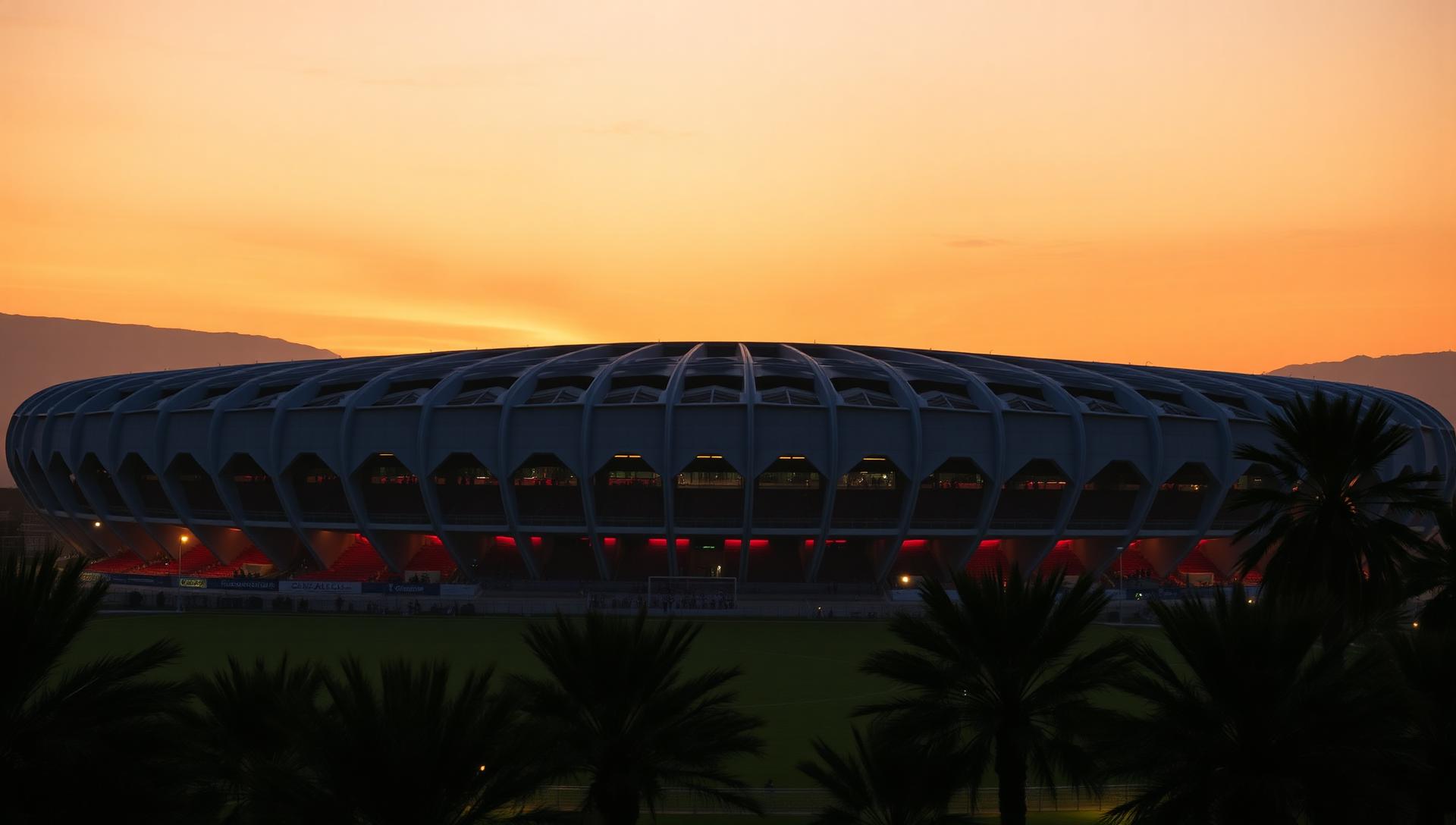
Choosing a city in Morocco is not only about the stadium. For a successful 2030 trip, compare airport access, rail connections, accommodation, neighbourhoods and the ease of reaching other cities.
Casablanca: the main hub
Casablanca is the country’s largest business centre and a natural gateway through Mohammed V International Airport. It suits travellers who want a connected, urban base. The planned Grand Stade Hassan II is in the Benslimane area rather than central Casablanca, so final event-day transfer plans will matter.
Rabat: compact and strategic
Rabat combines heritage, the coast, tram services and strong rail links. For travellers who want a manageable city with easy north-south connections, the capital is a balanced option. The rebuilt Prince Moulay Abdellah stadium is operational in 2026.
Marrakech: tourism infrastructure
Marrakech has a large supply of hotels, riads, restaurants and excursions. It is ideal for travellers who want the trip to include culture and leisure, but demand can rise sharply around major events.
Tangier: strong for Al Boraq
Tangier is connected to Kenitra, Rabat and Casablanca by high-speed rail. It can be especially useful for an itinerary focused on northern and Atlantic Morocco.
Fes: heritage and culture
Fes offers a very different experience built around the medina and traditional urban fabric. Allow extra time for local movement and choose accommodation with straightforward access to major roads when a match day is involved.
Agadir: coast and a slower pace
Agadir is attractive for a beach-oriented stay, but it is not directly connected to the national rail network. Plan flights, coaches, road transfers or a combined rail-and-road route.
How to choose
For connectivity, start with Casablanca, Rabat and Tangier. For a strong visitor experience, Marrakech and Fes stand out. For coast and downtime, Agadir is distinctive.
Keep plans flexible until FIFA publishes the detailed match allocations.